
Foods that last the longest
Foods that last the longest
If you're struggling with wasting food, it might be time to start rethinking what you're buying. We've made it easy with this guide to foods that last the longest.
We've all been there. Mouldy strawberries, rotten eggs, spoiled lettuce. There's nothing more frustrating than having to toss them out and wave goodbye to tens or even hundreds of dollars of groceries. The best way to save money on food and reduce your food waste is to make sure you know what food will last, and how to use up food before it gets chucked!
By selecting the right foods and learning safe food storage techniques, you can make food last longer and save money on groceries.
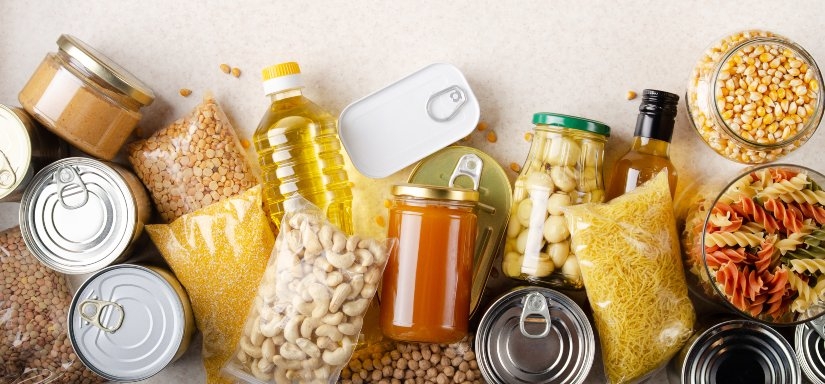
Dried foods shelf life
Trying to figure out what to cook for dinner each night is much less daunting when you know your pantry is stocked with everything you need to create a quick and easy meal. But knowing the shelf life of some of your pantry staples can help avoid disappointment when it comes time to cook.
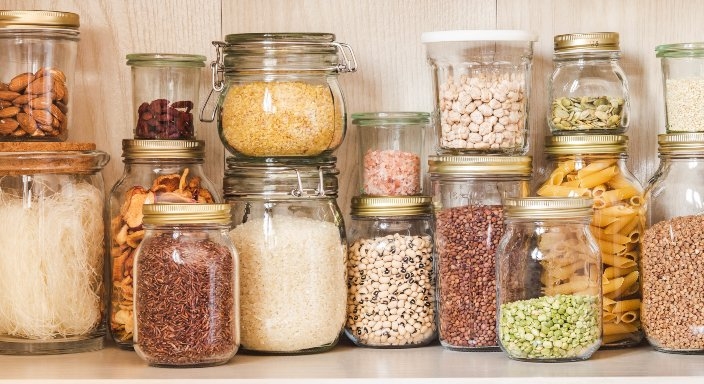
Most of these items should be stored in a dark place at room temperature to prolong their lifespan.
- Rice: if stored properly in a vacuum-sealed or airtight container, white rice (including Arborio, jasmine and basmati rice) will last indefinitely as long as it's kept free from contaminants. No wonder it is such a popular ingredient around the globe! White rice is unquestionably one of the most long lasting foods that we eat. Brown rice is the only exception to this rule. Because of its higher oil content, it does not last indefinitely. Stored in air tight containers, brown rice will only last six to eight months in the pantry.
- Peanut butter: this popular spread has a relatively long shelf life due to its high fat and low moisture content. Luckily, these conditions are unfavourable for bacteria growth.
- Natural peanut butter: if it contains at least 90% peanuts it will have a slightly shorter shelf life because of a lack of stabilisers and preservatives. These jars last several months in the pantry or up to a month once opened.
- Peanut butter containing stabilisers and preservatives: these will last six months to two years in the pantry if left unopened or up to three months once opened.
- Baking soda: if unopened, baking soda will last for 18 months stored at room temperature. After opening, continue to store in the pantry. Use within six months for best quality.
- Dark chocolate: stored in the right conditions, dark chocolate's lifespan is around two years. Milk chocolate, which contains milk solids and fat, has a shorter shelf life of more like six months.
- Olive oil: most olive oils last up to two years from the time they're bottled. Extra virgin olive oils are less processed, so they usually have a slightly shorter shelf life – up to 18 months from when they're bottled.
- Sea salt: because of its natural preservative qualities, sea salt lasts indefinitely.
- Extra virgin coconut oil: refined coconut oil will last about 18 months, but extra virgin coconut oil lasts forever. Virgin coconut oil retains more of its natural antioxidants, which give it its indefinite shelf life.
- Maple syrup: the shelf life of this sticky sweet stuff depends largely on its storage conditions. While it will keep for about a year in the pantry, it keeps indefinitely in the freezer.
- Tomato sauce: 'ketchup' as the American's would call it, lasts for up to a year in the pantry unopened. Once opened, it should be consumed within 6 months.
- Whole wheat grains: the shelf life of whole wheat grains (like buckwheat, cereal, muesli) depends somewhat on the item's sugar content and whether it is completely dehydrated. Most whole-wheat foods will generally last about six to 12 months sealed, although some can last more than a year. Once opened, they'll stay fresh for about two months.
- Instant coffee: if properly stored in a sealed container, an opened package of instant coffee will generally stay at its best quality for 12 to 18 months. Before opening, it can last a whopping 20 years.
- Dried beans: just like their canned counterparts, dried beans have an impressive shelf life. There isn't really a point where dried beans expire or go bad if they're properly stored. However, after a few years, they might not taste as good, and after about five years, most of the vitamin content is gone. Store them in an airtight container for best longevity
- Pure vanilla extract: an essential baking ingredient! Kept in a cool dark cupboard, pure vanilla extract lasts forever.
- Soy sauce: because of its high sodium content, soy sauce has an excellent shelf life of up to three years if stored properly in your pantry.
- Oats: oatmeal has exceptional nutritional value and is a great option for anyone looking to eat healthy on a budget. Store oats in tightly sealed containers once opened and they should last up to two years. If oats have other added ingredients like dry milk or fruit, this will reduce their longevity.
- Honey: honey keeps safe indefinitely. The colour may change, or it could crystalise over time; however, that doesn't make it unsafe to eat. To prolong its shelf life, keep it tightly closed in a cool area. If your honey crystallises, try placing the open jar in warm water and stirring until the honey dissolves.
- Powdered milk: most manufacturers suggest using powdered milk within 18 months, but this is really just a best before date. According to the USDA, an unopened package of powdered milk is probably still usable for two to 10 years after the printed "best by" date.
Longest lasting canned foods
Canned foods are legendary for their very long shelf life. Because of their longevity, they're an excellent option for long term food storage.
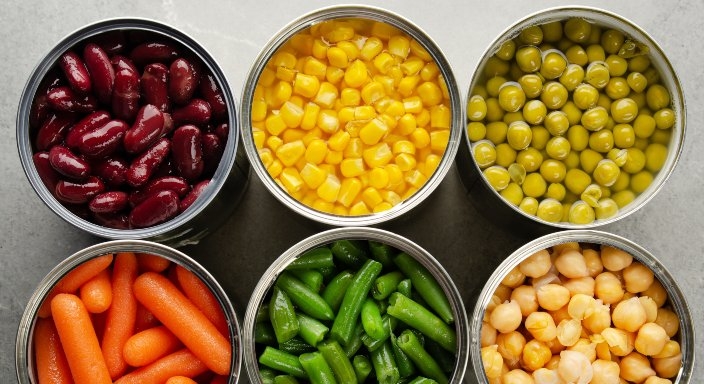
But they have loads of other benefits, including:
- Affordability: canned foods are an excellent choice if you're food budgeting.
- Convenience: eat your meal straight from the can.
- Availability: seasonality is no issue with canned food. It's available year-round.
- Portability and compactness: next time you're at the local grocery store, check out how many cans are packed onto each shelf. Compact and jammed full of food, these little tins can squeeze into every nook and cranny of your pantry.
Our Fresh vs Canned vs Frozen guide breaks down all of the advantages that come along with canned foods.
Canned foods have an excellent shelf life if properly stored in a cool dark place away from direct sunlight (like your pantry!). Everything from canned pineapples to canned meat will stay fresh for a while.
Which canned food has longest shelf life:
- Canned fruit and tomatoes – 1 to 2 years: Canned fruit is packed with essential vitamins and nutrients. However, compared to all of the varieties of canned goods, they have a slightly shorter shelf. This is down to their high sugar content and acidity. That said, 2 years is an incredibly long shelf life compared to fresh fruit, and canned fruits can often make an excellent food substitute in baking.
- Canned spaghetti and baked beans – 1 to 2 years: Like fruit, spaghetti and baked beans have high sugar and acidity content, giving them a less impressive shelf life than some of their other canned friends.
- Canned soup – 2 to 4 years: Canned soup has a decent shelf life, making it an ideal option for long term storage. These quick and easy prep meals are great at providing essential vitamins and minerals for nutritional value. Depending on the type of soup, some can remain edible for up to five years.
- Canned beans and legumes – 3 to 6 years: Kiwis love beans and legumes – and that's lucky because they're an excellent source of proteins, fibre and carbohydrates. In general, they tend to have a high sodium count, which gives them a long shelf life. Some of the most popular options here in New Zealand include black beans, kidney beans, lentils and chickpeas.
- Canned fish – 3 to 6 years: Canned fish is one of the healthiest canned foods on the market and is a must-have for budget meal planners. When buying fresh, the shelf life of fish is notoriously short – so canned fish can be an excellent option if you're looking for something that will last much longer.
- Canned vegetables – 3 to 8 years: Due to the low acid content in most canned vegetables, many will keep for three to eight years. Most are preserved through pickling without the addition of other artificial chemicals. These pickled vegetables are both more natural and safer.
- Canned meats – 4 to 10 years: From SPAM to corned beef to canned chicken, canned meats are an affordable and convenient way to consume much-needed protein. In general, canned meat has a higher salt content compared to other canned food, making it last longer on your shelf. Additional sauces added to the meat will shorten its shelf life.
Vegetables shelf life
Fresh vegetables are some of the most likely items to get neglected in your fridge. When life gets busy, it can be easy to forget that your poor veggies have a shelf life. Of course, it helps to know what that shelf life is.
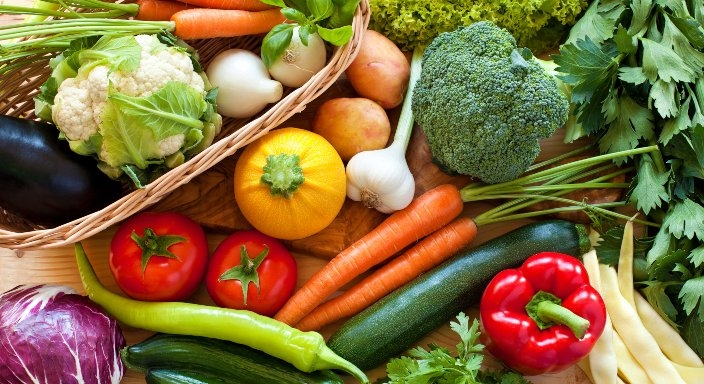
Let's look at some of the most common vegetables you'd buy at your local grocery store. Remember, these are just guidelines to give you an idea of which vegetables have the longest shelf life. How you store food will impact its longevity too! Assume you will store the vegetables in the fridge.
- Asparagus: 3-5 days
- Avocado: 3 days
- Beans: 3-6 days
- Broccoli: 5-7 days
- Cabbage: 1-2 months
- Carrots: 1-2 months
- Capsicum: 1-2 weeks
- Cauliflower:1-2 weeks
- Celery: 3-4 weeks
- Corn: 3-4 days
- Cucumber: 10-12 days
- Eggplant: 10-12 days
- Lettuce: 10-12 days
- Mushrooms: 10-12 days
- Onions (red onion, white onion, yellow onion): 1-3 months
- Peas: 5-6 days
- Potatoes and kūmara: 2-4 months (in a cupboard)
- Tomatoes: 2-5 weeks to ripen, 5-7 days
Fruits shelf life
Eating fresh produce is one of the best ways to keep a healthy diet. Yet too often, rotten fruits can end up in the bin due to the rapid rate they expire.
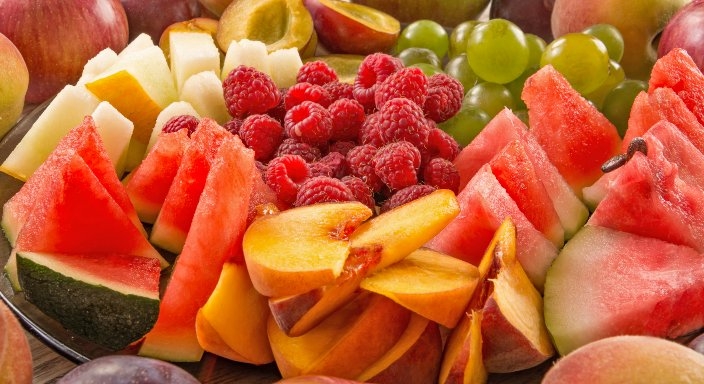
Here are the shelf lives of some of the most commonly consumed fruits.
- Apples: 1 month
- Bananas: 7 days if green, 2-4 days if ripe (in the cupboard)
- Blueberries, blackberries, raspberries: 2-3 days
- Citrus: 2-3 weeks
- Grapes: 7-10 days
- Kiwifruit: 2-3 days to ripen, 1 week once ripe
- Melons: 1 week
- Peaches: 1 day to ripen, 3 days once ripe
- Pears: 2 days to ripen, 2 weeks once ripe
- Pineapple: 2 days (whole pineapple), 1 week once cut
- Strawberries: 3 days (cover and isolate from other foods)
- Watermelon: 6-8 days
Tips to maintain the quality of your fruits and vegetables, and make sure they stay fresh for longer!
- If you know you struggle to eat your fresh produce before its expiration dates, consider frozen vegetables and fruits instead. They're an excellent long term storage option and can work well in plenty of meal prep ideas like frozen fruit smoothies or frozen veggie stir-fries.
- Keep all apples and citrus in a plastic bag or container, separate from other fruits and veggies.
- When storing vegetables in a plastic bag, poke a few holes in the bag to provide ventilation.
Meat shelf life
Eating meat is a great way to pack plenty of essential protein into your diet. But meat products can be highly perishable, and consuming spoiled meat can cause foodborne illnesses. That's why it's important to take note of the expiration dates to avoid waste with meat.
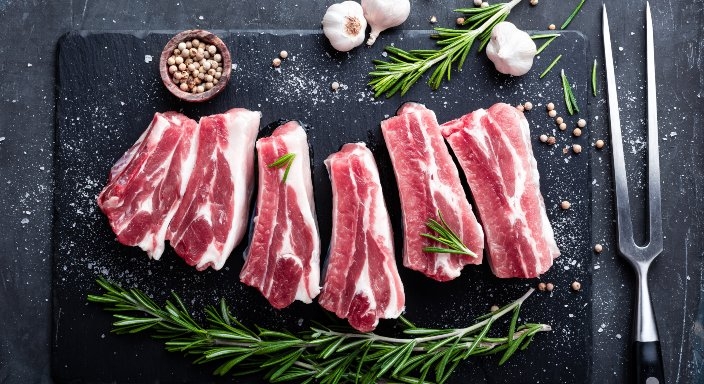
Unless you're planning to eat it fairly quickly, you should think about storing it in the freezer to prevent spoiling. Frozen meat's shelf life tends to be substantially longer; while fresh meat might only last a few days, plenty of frozen meat could be considered in the long shelf life foods category.
These shelf lives are just guides, so please keep in mind that you should always take notice of the expiration dates.
- Beef, lamb, steak (raw): Fridge - 3 days if wrapped, 5 days if unwrapped; Freezer - 6 months
- Beef mince (raw): Fridge - 2-3 days; Freezer - 2-3 months
- Chicken mince (raw): Fridge - 2-3 days; Freezer - 2-3 months
- Chicken, duck, turkey and goose (raw): Fridge - 1-2 days; Freezer 3-6 months
- Chicken (cooked): Fridge - 3-4 days (refrigerate within 2 hours of cooking); Freezer - 3-6 months
- Fish and prawns (raw): Fridge - 1-2 days; Freezer - 3-4 months (depending on type of fish)
- Pork roast and lamb chops (raw): Fridge - 3 days if wrapped; Freezer 4 months
- Pork sausages (raw): Fridge - 1-2 days; Freezer - 1-2 months
- Pre-packaged ham slices: Fridge - 1-2 weeks if unopened, 4 days once opened; Freezer - 1-2 months
- Roast beef and roast lamb (cooked): Fridge - 2-3 days; Freezer - 6 months
- Sausages and salami (cooked): Fridge - 1-2 weeks if unopened, 4 days once opened; Freezer - 1-2 months
- Steak (cooked): Fridge - 2-3 days; Freezer - 6 months
Looking for tips on buying meat? Check out What to look for when buying meat.
Dairy shelf life
Kiwis love their dairy. We're a nation known for consuming and exporting plenty of this creamy goodness from velvety camembert to a glass of cold milk.
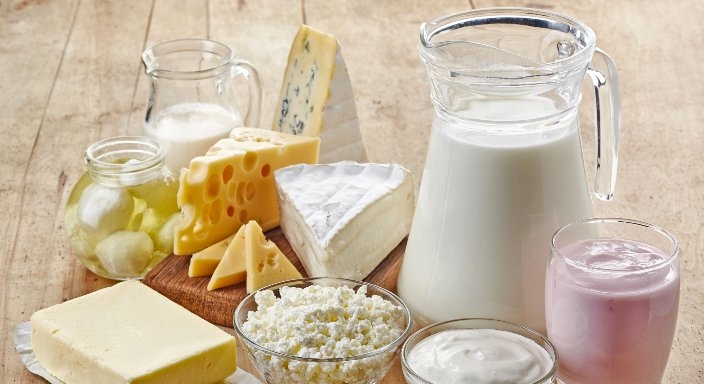
But how do the lifespans of our favourite dairy products stack up? Let's take a look.
- Milk: Fridge - 1-2 weeks.
- Cream: Fridge - 5 days once opened
- Ice cream: Freezer - 1-2 months
- Yoghurt: Fridge - 1 week
- Hard cheeses: Fridge - 1-3 months (varies by type)
- Cottage and cream cheeses: Fridge - 1-2 weeks
- Butter: Fridge - 2 months
Tips for dairy
- For a longer-lasting milk option, consider UHT milk or powdered milk.
- Make sure all dairy products (except ice cream) are stored in the fridge. Even when coming home from your grocery store, try to get these items into the refrigerator as quickly as possible.
Shelf life of eggs
Last but not least, we're looking at how long you can expect the humble egg to last. One of the most versatile foods in your kitchen, eggs are delicious for breakfast, lunch and dinner. They will last the longest if stored in your fridge.
- Raw eggs last 5-6 weeks in the fridge.
- Cooked and hard boiled eggs shelf life is around 1 week in the fridge.