
How to Defrost Lamb - Refrigerator, Microwave & Water | Lamb Shopping Guide
How to defrost lamb
It can take 1-24 hours to defrost lamb depending on the size and method, so make sure you plan ahead! Read our tips for the best way to thaw frozen lamb.
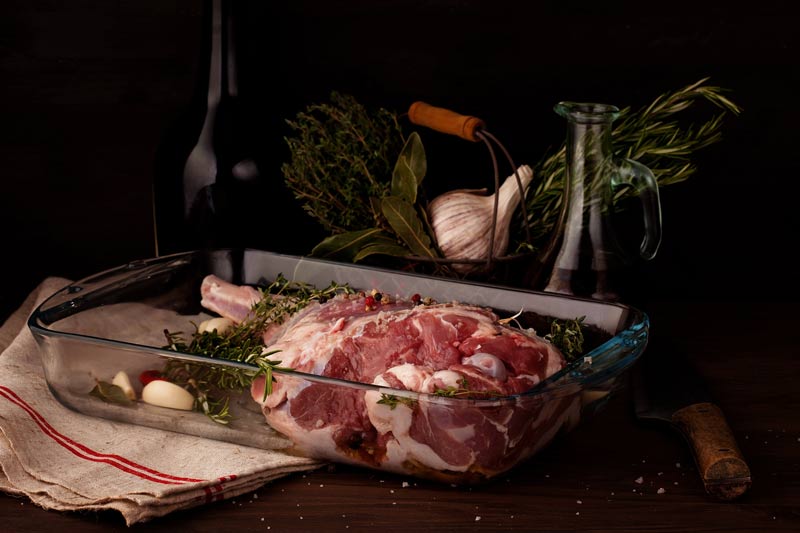
Safe lamb defrosting methods
The safest way to defrost lamb is to leave it in the refrigerator overnight or until completely thawed. Large lamb joints and packs of minced lamb will take longer than small chops and steaks to thaw out. The microwave is a great backup if you need to defrost your lamb sooner but care should be taken to ensure the temperature of the meat does not rise above 5℃, preventing the risk of food poisoning.
Use a skewer to check that your lamb is fully defrosted. If it meets any resistance other than the normal meat texture, it’s still frozen. Ice crystals or meat rigidity are also signs that thawing is incomplete.
Defrosting lamb in the refrigerator
Time taken: 12 - 24 hrs
Defrosting lamb in the refrigerator is the safest method to maintain a consistent temperature below 5°C, inhibiting bacterial growth. However, it is slower than other methods taking 12-24 hours depending on the size and density of the joint or pieces.
Defrosting lamb in the microwave
Time taken: 10-15 mins per KG (check the user manual)
The quickest way to defrost lamb is in the microwave. Check your user manual and use the defrost setting and time recommended. Defrost small quantities at a time and rotate the lamb frequently to ensure even thawing. Check it doesn't start cooking - if it does you must continue to cook through completely. Lack of precise temperature control is an issue with microwave defrosting so monitor the process carefully.
Defrosting lamb in cold water
Time taken: 1 - 3 hrs
Submerging lamb in cold water is faster than defrosting in the refrigerator. It takes between 1-3 hours but requires regular water changes every 30 minutes to encourage a gradual reduction in temperature.
This method is not advised if the room temperature is above 32℃ as the water could become too hot and promote microbial growth. If this happens, throw the lamb out and don’t eat it. Hot water should never be used for this same reason.
The lamb should remain wrapped to prevent water penetration which could affect the taste, texture and nutrient content.
The 'don'ts' of defrosting lamb
Defrosting lamb at room temperature is not considered safe. There is a risk that the external temperature of the lamb will rise faster than the internal temperature and if it rises above 5℃ bacterial pathogens multiply creating a food risk.
Do not defrost lamb at room temperature
Defrosting lamb at room temperature is dangerous. It might speed the thawing process up but the surface of the meat is exposed to a variable room temperature, which can exceed 40℃ in the summer months. This allows bacteria to grow, increasing the risk of foodborne illness.
Do not defrost lamb in the oven
Oven defrosting is not recommended for raw lamb as it can lead to uneven defrosting and potential bacterial growth.
More guides to buying and cooking lamb



1 / 0