
What to Look for when Buying Lamb | Lamb Shopping Guide
What to look for when buying lamb
New Zealand is renowned for its high quality, grass-fed, outdoor-reared lamb. We’re fortunate to be able to buy lamb here throughout the year. Fresh and frozen lamb is available in-store with the new season lamb on the shelves in Spring.
This guide will explain everything you need to know about the best time of year to buy lamb, what the labels mean, and buying the best quality.
Best time to buy fresh lamb
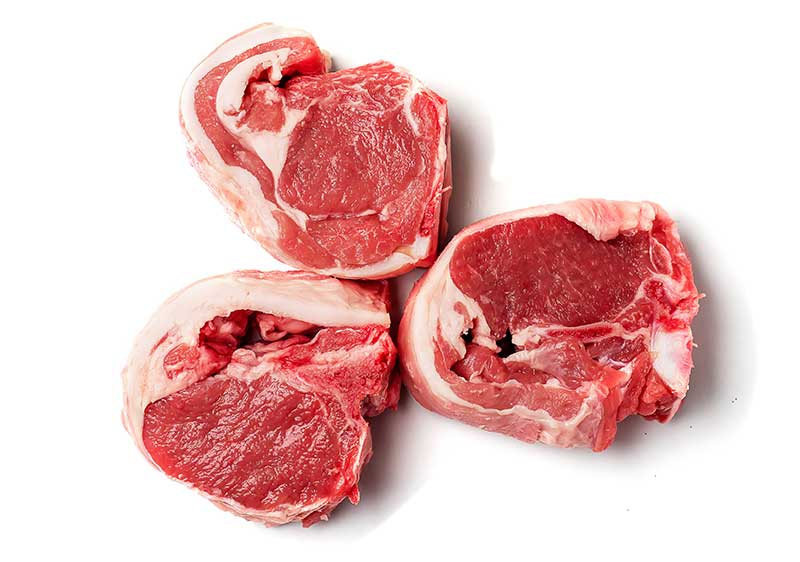
Fresh lamb is available to buy here all year round. Deliciously juicy young New Zealand Spring lamb is available to buy fresh in-store from February through to May. Lambs are classified as such up to the age of 12 months, so those left to mature are sold fresh throughout the remainder of the year and typically have a more intense flavour.
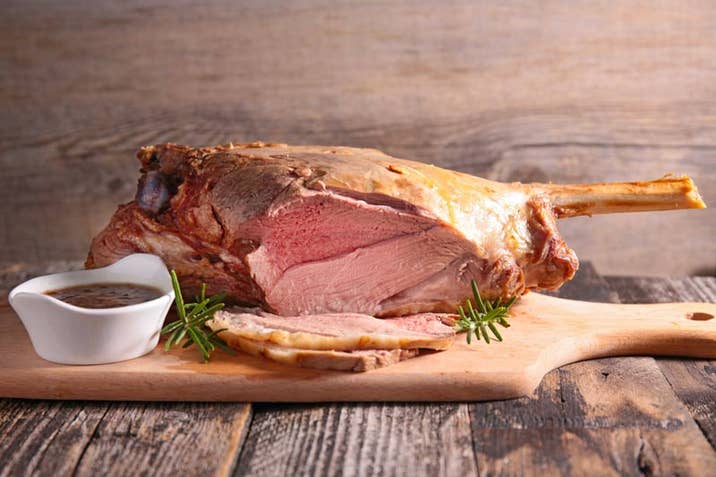
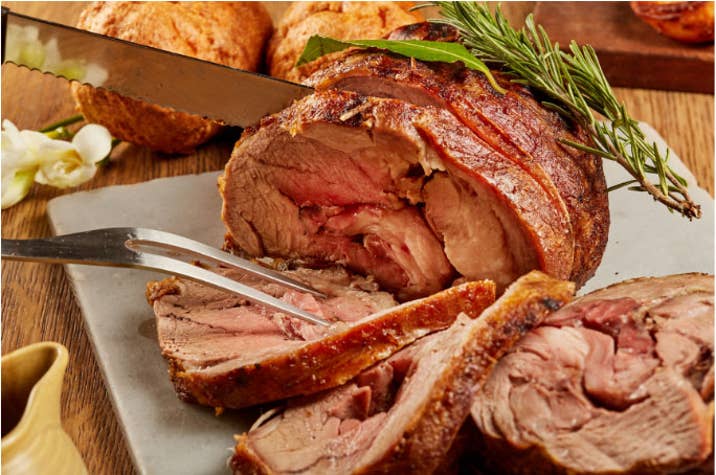
Spring is the perfect time to cook a roast leg of lamb, taking advantage of tender new-season lamb at its peak flavour.
For budget-conscious shoppers, lamb shoulder chops are often the cheapest cut of lamb and still pack plenty of flavour when cooked right.
Understanding lamb labelling
When in the supermarket, look for these common labelling terms on lamb packaging.
Free-range lamb
All New Zealand lamb is free range. They are raised outdoors and free to roam in lush green pastures. All New Zealand lambs are grass-fed throughout their lives producing a very pronounced earthy, sweet flavoured meat. Our lamb is naturally lean, tender and delicious.
Bone-in or boneless lamb
These terms refer to whether the lamb contains bones or not.
Bone-in lamb
Faster cooking and easier slicing are the main benefits of boneless lamb cuts. Look for diced lamb, boneless lamb shoulder, butterflied leg of lamb, lamb loin and lamb rump.
Use-by-date
Always check the use-by-date on the packaging, this specifies the last day that the meat can be cooked or frozen. Select lamb with the longest date as this gives you more flexibility and make sure to cook or freeze the lamb by its use-by-date.
Processed, pre-packed lamb and fresh lambs
Lamb is generally sold fresh or frozen in its original state. Lamb is sometimes processed into sausages, burgers and meatballs, it may also be cooked, sliced and sold pre-packed.
How you can tell if lamb is good quality
Whether buying fresh lamb from the supermarket or your local butcher, there are three easy ways to check you’re buying the highest quality.
Quality Mark guarantee
Lamb labelled with the Quality Mark guarantee is New Zealand-grown, free-range, grass-fed and free from artificial additives and growth hormones. This lamb will cook and eat perfectly.
Organic lamb
Whilst all New Zealand lamb is grass-fed and hormone-free, it is not all organic. To be certified as organic, the lambs must have grazed on pastures that have never been treated with pesticides, herbicides or commercial fertilisers.
Tips: Colour, texture and smell - what to look for.
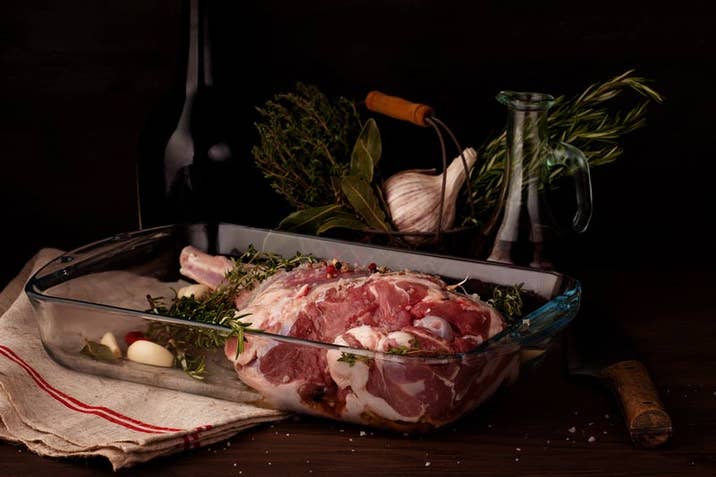
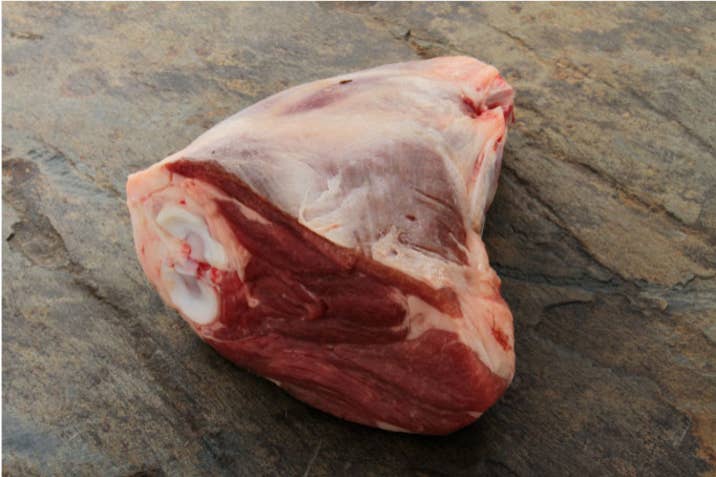
In spring, fresh lamb will have a light, pink coloured flesh with buttercup yellow fat. As the year progresses, the flesh becomes a darker pinkish-red and the fat whitens more.
If the lamb meat has a green hue or the fat looks grey, this could indicate that it is bad. If mould is visible then the lamb is dangerous and needs to be thrown away.
The texture of fresh lamb is springy so it should bounce back when pressed. If an indent remains, the lamb is less fresh.
Good quality lamb usually has a very grassy, almost gamey, aroma. If it smells sulphuric like rotten eggs this indicates bacterial growth and eating it could make you ill.
More lamb shopping guides



1 / 0