
What to Consider When Buying Beef | Beef & Steak Shopping Guide
What to consider when buying beef
New Zealand has the most wonderful beef in the world as our cattle are raised on grass pastures, in our warm temperate climate. Our quick guide buying beef will explain everything you need to know about the different types of beef available, what the labels mean, and making sure you buy the best to suit your needs.
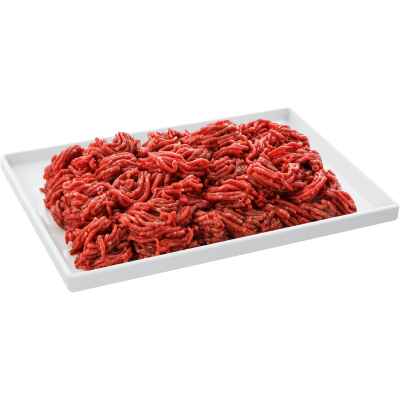
Understanding beef labelling
Get to know the commonly used beef packaging terms below to help you make the right choice when you're shopping:
Grass-fed beef
Grass-fed beef means that after weaning, the cows were free to roam on pastures and fed on grass for their entire lives. They are never treated with added hormones or antibiotics. Grass-fed beef is naturally leaner and healthier than grain-fed, with less saturated fat and fewer calories. It’s also higher in healthy omega-3 fatty acids, Vitamin A and Vitamin E.
Pasture-raised beef
Pasture-raised beef has been fed grass for at least 120 days a year whilst the remainder of the year they may be contained and fed a grain-based feed.
Organic beef
For beef to be classed as organic it should have been raised naturally outdoors, on certified organic land and fed 100% organic grass and grains. Organic beef is also free from antibiotics and added hormones making it a healthier food option. It’s often more expensive than grass-fed and pasture-fed beef because the animals grow much slower and are more expensive to raise.
Aged beef
Aged beef refers to the time the meat has been stored after slaughter. Ageing beef develops deeper, more intense flavour and tenderises the meat by breaking down the muscle fibres. Dry aged beef is refrigerated uncovered for 28-30 days in special air-circulating, ageing refrigerators and commands a premium price.
Angus beef
Angus beef is from a specific cattle breed - the Aberdeen Angus cow and is known for its marbling, consistent quality and juicy flavour.
Use-by-date
The use-by-date specifies the last day the beef can be cooked or frozen. Choose beef with the longest use-by-date as this gives you greater flexibility.
How to tell if beef is high quality
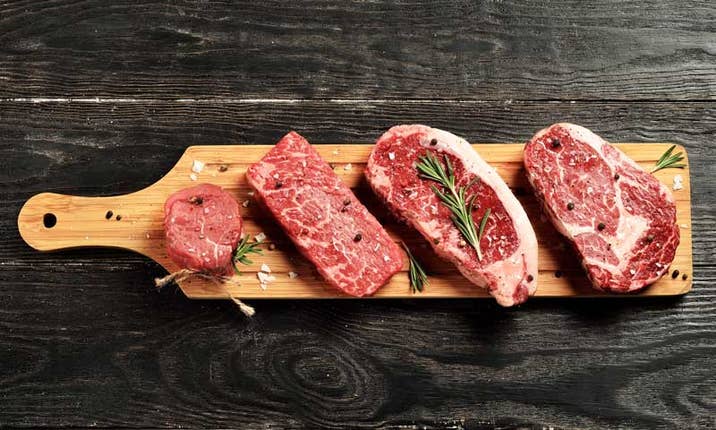
Beef quality can vary widely depending on how it was raised, slaughtered, butchered and stored. High quality beef is often more expensive than low quality beef, it will be leaner with plenty of fine marbling, a deep reddish purple colour and firm, springy flesh Low quality beef will have minimal marbling, a thicker layer of fat, visible gristle, the flesh will be bright red and might be falling apart due to poor connective tissue.
How to tell if beef is bad
Freshness is paramount when selecting beef, it should smell slightly sweet, have a deep rich red colour and be firm to the touch. If beef has an unpleasant smell of bad eggs or ammonia and the colour is brown or grey with a soggy, sticky texture then these are signs it has gone bad and should not be eaten. Excess liquid pooling in the packaging is a sign of poor storage and beef that is bad, if in doubt throw it out.
Is beef safe to eat if it turns brown?
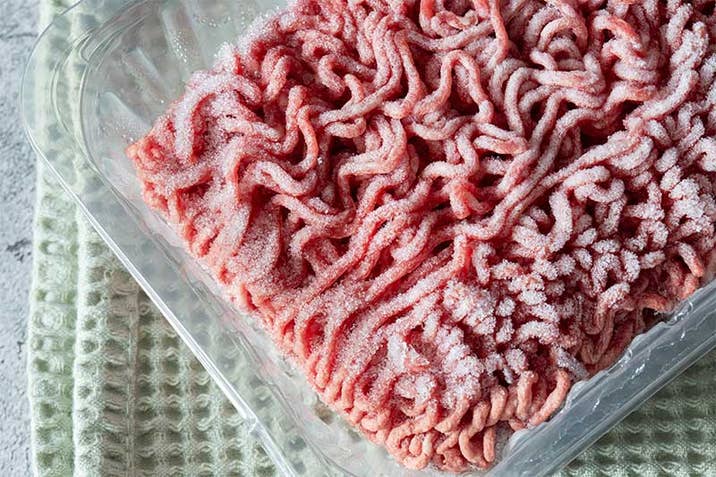
If beef turns brown in the refrigerator whilst still within the use-by-date, it is safe to eat. The darkening colour is simply due to oxidation which is quite normal. If on the other hand, your beef turns brown whilst frozen and an offensive odour and sticky texture accompanies this it may be spoiled and should not be eaten.
More butchery shopping guides



1 / 0