
11 Ways to Save Money on Fresh Produce & Eat Healthy
11 easy ways to save money on fresh produce
Eat healthy without blowing your budget. Here are 11 ways to save money on fresh fruits & vegetables, plus some delicious recipe ideas.
Savvy shopping takes preparation and some out-of-the-box thinking, especially when you’re on a food budget or you just want to find more ways of saving money. Whether you’re shopping for your family, flat or for yourself, here are 11 fantastic tips everyone can use to save money on fresh produce and stay healthy.

1. Buy fruits and vegetables that are in season
Fruits and vegetables are grown and harvested during different seasons. Seasonal produce refers to the times of the year when a fruit or vegetable is at its best. For example, in New Zealand strawberries are in season from September to March — that’s when you can find them in abundance in stores. Similarly, mandarins are at their best in late winter – the Afourer mandarin variety, for instance, offers a sweet, juicy citrus treat during this time.
Why shop for seasonal produce when there are fruits and vegetables all year round? It’s simple: seasonal fruits and vegetables taste amazing. Shopping seasonally means you’re getting delicious, nutritious fruits and vegetables because you eat produce when it’s at its freshest. Secondly, seasonal produce is a whole lot cheaper when they’re in season. Because they’re so readily available, stores can afford to sell cheap produce — save money on groceries and eat healthy too!
2. Know how to properly store your produce
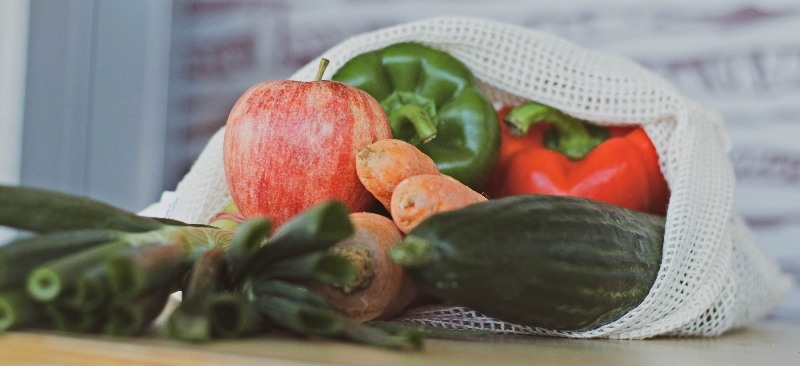
Almost a third of the food waste Kiwis throw out is vegetables. Many of us don’t know how to properly store our produce. Properly storing cheap produce can make them last longer, meaning less fruits and vegetables (and money) goes to waste. Here’s how to store some common produce:
- Apples. Unless you’re eating them in a few days, they should go to the crisper drawer in your fridge. Don’t put them next to your potatoes as it’ll make your potatoes sprout faster
- Avocados. You can leave them on the counter to ripen but if you want to speed up the ripening process, store them in a paper bag. If you want to slow down the ripening process, put it in the fridge. Read our guide to buying and storing avocados
- Bananas. To keep a bunch of bananas fresh for longer, wrap the stems in plastic wrap.
- Broccoli. Loosely wrap your broccoli in damp paper towels and refrigerate. This can keep for up to four days. Read more about buying broccoli, keeping it fresh and cooking tips.
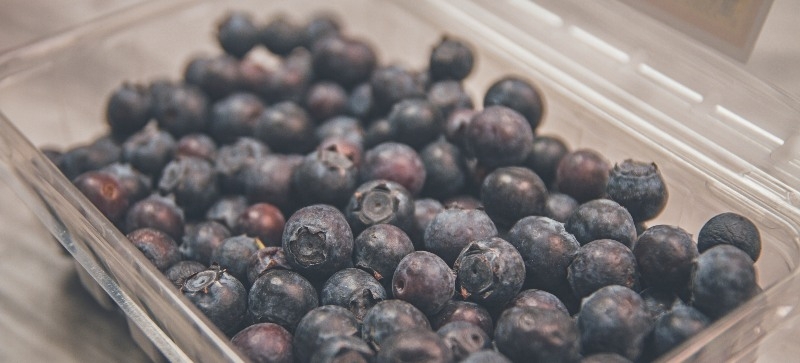
- Berries. Give these summertime essentials a vinegar bath, then store them on paper towels to absorb moisture
- Carrots. Place unpeeled carrots in a sealed plastic bag in the fridge’s crisper drawer for up to two weeks
- Leafy greens. Wash and dry them, then wrap them in paper towels and store it in the fridge
- Onions. Keep them in a cool, dark, well-ventilated and dry place
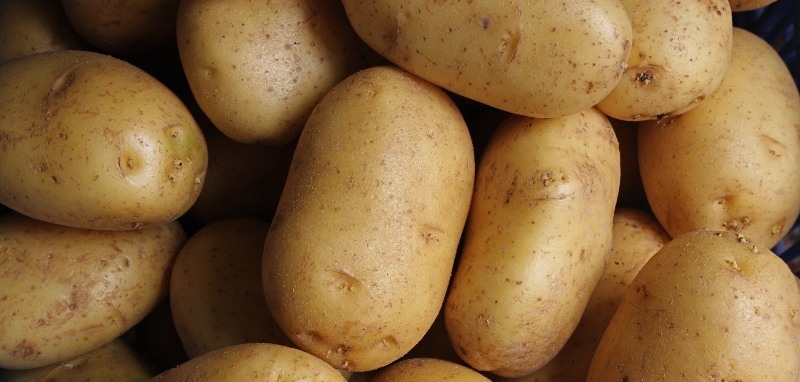
- Potatoes. Keep them in a cool, dark, well-ventilated and dry place too, but away from your onions (read more about storing potatoes)
- Tomatoes. They’re fine on the counter but put overripe ones in the fridge to keep them from rotting. Bring them back to room temperature before eating
3. Buy multi-purpose veggies
Instead of buying single-recipe ingredients, opt for versatile veggies and other cheap produce that can be cooked multiple ways. This will allow you to make the most of your veggies and explore different cooking styles! Vegetables such as potatoes, carrots, capsicum, broccoli, beans and courgettes go great in stews, stir fries, roasts and more.
4. Plan a weekly menu
Before heading to the store, come up with a week’s worth of recipes and stick to the list. Chances are you won’t be tempted to buy ingredients that you won’t use or forget crucial ingredients. Back at home, use fruits and vegetables that ripen fast — such as berries, fresh herbs and mushrooms — earlier in the week. Save longer-living produce for later in the week so you don’t end up throwing away produce.

5. Stock up on frozen produce
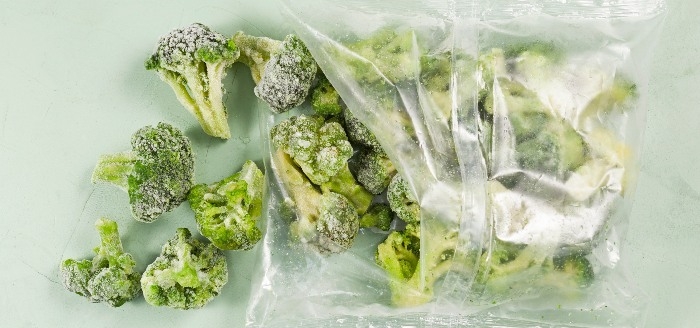
If certain fruits and vegetables you want are out of season and you want cheap vegetables, check out the freezer aisle for frozen produce. Frozen produce are typically frozen when they’re fresh so they’re comparable to fresh produce when it comes to nutritional content. Stock up on frozen produce (especially when they’re on sale) and use them as a substitute when your recipe calls for fresh produce.
Can you freeze fresh fruits and vegetables for later use?
Yes, you can buy fresh seasonal produce and freeze them yourself. Vegetables like corn, peas, broccoli, and carrots thaw well and you can use them for salads and roasting. You can also thaw vegetables like winter greens and squash and use them in cooked dishes such as pasta or soups. Avoid freezing fruits and vegetables that are high in water content, such as watermelon, citrus fruits, potatoes, cucumber, cabbage, and lettuce, as they become mushy when thawed.
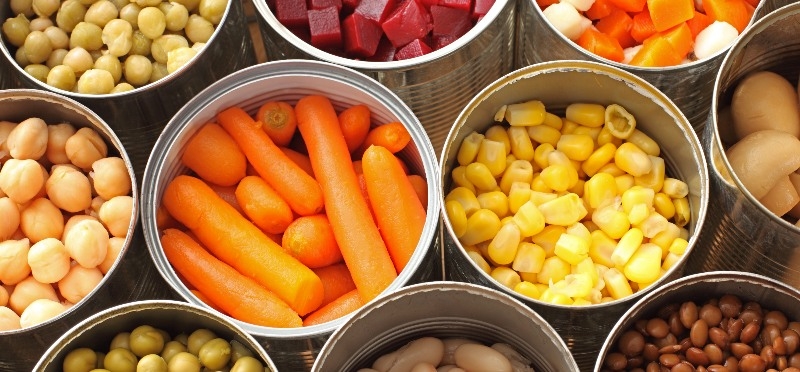
6. Stock up on canned goods
Just like frozen produce, canned goods have a long shelf life and are readily available all year round so you’ll always have them when you need them.
You can preserve vegetables at home by canning them as plain, pressure-canned vegetables, or pickling them. Canning works great for certain vegetables, such as cucumbers, mushrooms, carrots, winter squash, tomatoes, peas and onions.
Fresh, cheap fruits are great for canning. Large fruits like apples, pears, peaches, plums and strawberries are suited for canning. Fragile fruits like raspberries and blackberries are better suited for jams and jellies.
7. Grow your own produce
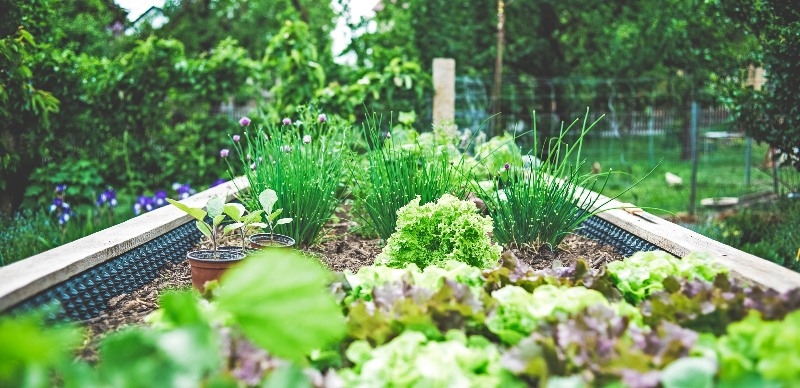
Whether it’s by your window sill or in your garden, growing your own produce can help you save. Some beginner crops include spring onion, lettuce, radish, leeks, cabbage, cauliflower, silverbeet, and celery. You can also try planting herbs — they are a game changer and add flavour and depth to your cooking. Some of the easiest herbs to grow include basil, mint, chives, rosemary, and parsley. Check out the potted herb plants at your nearest PAK'nSAVE store.
8. Swap meat for vegetables more often
With most of our money going to meat, one simple way to save money on your grocery bill is to go vegetarian for a night! There are so many ways to substitute meat and still eat the same delicious meals. Try making Dhal Curry with Cauliflower and Spinach, Vege and Bean Burgers, or Cheese, Leek & Chorizo Frittata Bake and swapping out the chorizo for chickpeas.

9. Make the most out of overripe food
Overripe produce? Don’t toss them out just yet. You can still make delicious meals with overripe vegetables.
Here’s what you can do with overripe fruits:
- Freeze for smoothies
- Brown bananas make for great banana bread, while peaches, nectarines, and strawberries taste amazing in muffins and scones
- Bake a crumble or cobbler because it doesn’t matter what the fruits will look like
- Make drinks like juice or cocktail with your overripe fruits by puréeing it or putting it through a juicer
And here are some ideas with what to do with overripe vegetables:

10. Compare the cost of individual items versus pre-packaged
Fruits and vegetables are usually priced as individual items (e.g., a single capsicum), by weight (e.g., $x per kg), or by package (e.g., a punnet of strawberries).
To eat healthy on a budget, get into the habit of working out which of these options provides the best price for the number of items you are buying. For example, pre-packaged produce is often better value for money as you get more items for the same price as you would if you bought them separately.
On the other hand, you might not need as many items of produce so it might, instead, be worth buying them individually or by weight.
See what works for you.
11. Check out weekly deals
You can save money on groceries and eat healthy too — you just need to do a little bit of prep work. Before going to the grocery store, look up the weekly deals and plan your meals around what is on sale for the week. A little bit of effort goes a long way to maximising your time and helping you stretch your dollar.