
What to Consider When Buying Pork | Pork Shopping Guide
What to look for when buying pork
Pork is a delicious red meat and an extremely versatile protein choice. When shopping for pork, navigating the options available can feel overwhelming especially if you have little experience cooking with it. Our shopping guide will explain all you need to know about buying the best quality pork for your budget, which cuts to choose and how to store it safely at home.
Understanding pork labeling
Take a good look at the pack labelling as this can reveal a lot about how the pig was raised and what it was fed. We explain the common terms found on pork labelling and what they mean.
Free-range pork or non free-range
These terms refer to how the pigs are raised.
Free-range pork
Free-range piglets are born in outdoor shelters, weaned alongside the mother from birth and then raised outdoors with freedom to roam. Pigs raised this way are more relaxed and active, contributing to better tasting, fuller-flavoured pork. So expect to pay more for free-range pork.
Standard indoor farmed pork
Many farmers prefer indoor pig farming as it allows them to provide the best care for their pigs regardless of the climate. Sows and piglets are housed in social groups indoors in warm, dry, well controlled conditions.
Organic or non-organic pork
These terms refer to what the pigs were fed.
Organic pork
Certified organic pigs are raised on a highly nutritious feed, free from pesticides and chemicals and not given hormones. Rearing takes longer so expect to pay a premium price for organic pork.
Non-organic pork
Non-organic or standard pigs are fed a less nutritious diet containing pesticides and growth promoting hormones. Indoor rearing in crowded sheds exposes the pigs to a greater risk of diseases. This is why non-organic pork is less nutritious and cheaper than organic and free-range pork.
Bone-in or boneless pork
These terms refer to whether the pork contains bones or not.
Bone-in pork
Many pork cuts contain a bone like pork shoulder and pork leg and often have more visible fat. Pork cooked on the bone is generally cooked more slowly and has a juicier flavour because of its higher fat content. Most home cooks and chefs believe this to be well worth the wait.
Boneless pork
Boneless pork is considered a more convenient option, quicker to cook and cheaper than bone-in pork. Boneless pork is often leaner, with less visible fat, so it’s a healthier choice but avoid overcooking as the pork will quickly dry out. Look out for pork tenderloin, pork fillet, medallions and loinback bacon.
Processed pre-packed pork or fresh pork
These terms refer to whether the pork meat has been treated in any way.
Fresh pork
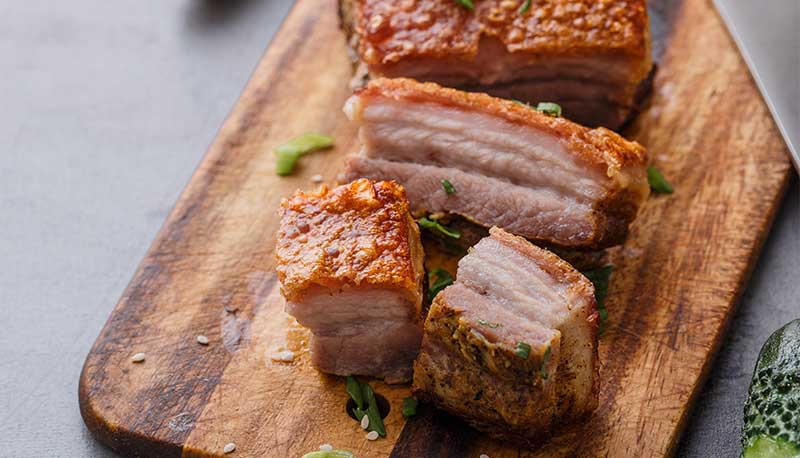
Fresh pork is often sold with the bone or fat intact as with pork shoulders, legs, pork belly and pork chops. Fresh pork may also be butchered into smaller leaner cuts such as diced pork and pork strips then pre-packed in the supermarket without further alteration. These are classified as unprocessed pork.
Processed pork
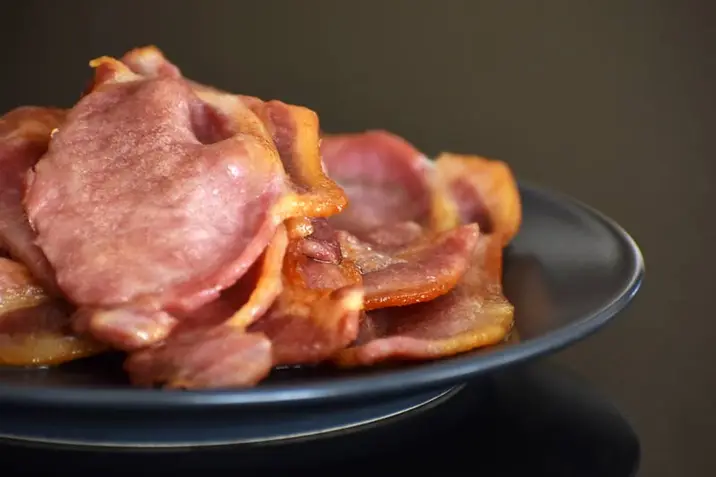
Pork is commonly preserved by smoking, curing, salting or adding chemicals. These processed pork products include bacon, ham, sausages and salami. As a rule, processed meats are considered less healthy and should be eaten in moderation.
5 ways to tell good pork from bad pork
When buying pork look for signs that indicate the pork is fresh and of a high quality. Pork must be refrigerated and feel cold to the touch. At the supermarket, head to the butchery counter last, to minimise the time your meat purchases spend unrefrigerated. Plan ahead and bring a chilly bin with ice blocks in the car to keep meat cold on the way home. Then refrigerate or freeze as soon as you get home.
Look at the use-by-date
Always check the use-by-date on the packaging. Select pork with the longest date giving you more flexibility and make sure to cook or freeze the pork by its use-by-date.
Good quality pork is dark pink
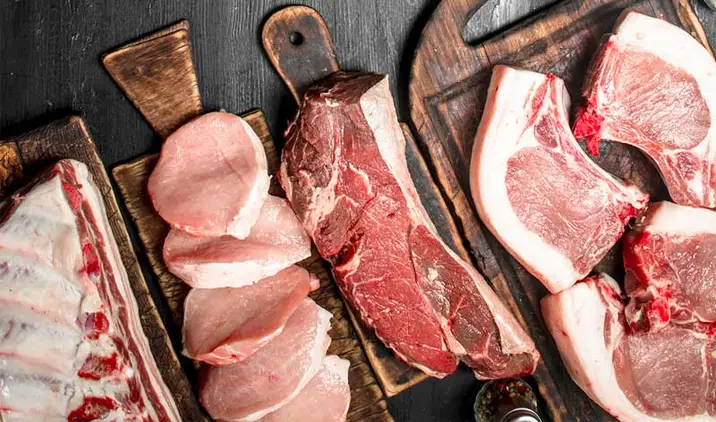
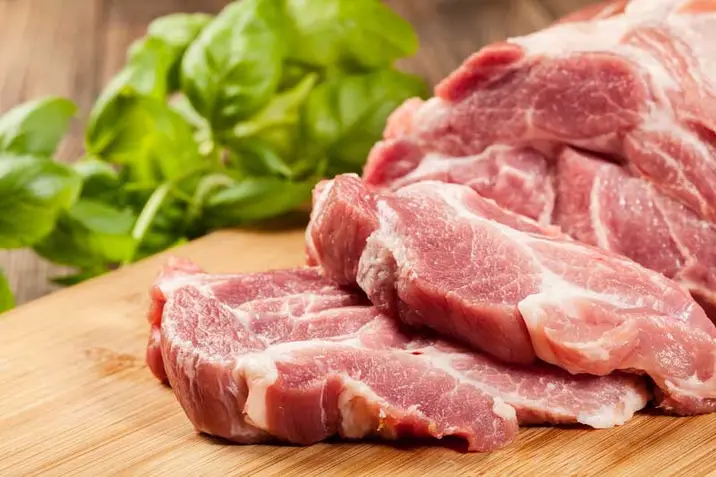
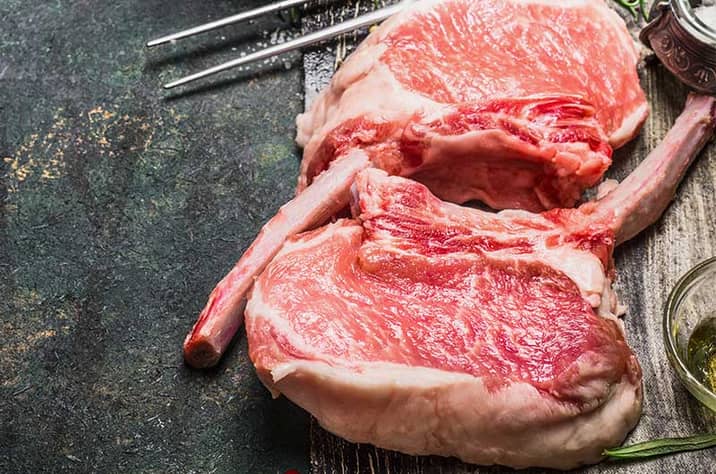
Good quality pork will have a high meat-to-fat ratio. It will be well trimmed with blemish-free fat around the edges, feel firm to the touch, a dark pinkish-red colour, with no noticeable odour. Good quality pork will be deliciously tasty, tender and juicy.
Poor quality pork is pale with excess fat
Poor quality pork will have a low meat-to-fat and bone ratio. Excessive visible fat is a telltale indicator that the pork is poor quality. If the flesh is pale pink in colour or soft and slimy to the touch, it may indicate poor abattoir handling and moisture loss. This pork will be dry and unpleasant to eat.
Telltale signs pork is bad
Fresh pork has a clean, slightly metallic scent. The most obvious sign of bad pork is an unpleasant, sour smell when you open the pack. This indicates bacterial growth and the food is dangerous to eat and must be thrown away.
Avoid pooling liquid in the packaging
Avoid pork with excess liquid pooling in the pack as this can indicate exudation, a process where the pork muscles have released liquid. If cooked, this pork will have a very soggy unpleasant texture.
More pork shopping guides

1 / 0