
Buy seasonal fruits and veges to save money
Buy seasonal fruits and veges to save money
Produce can be a whole lot cheaper when it's in season. Save money on groceries and eat healthy too!
Fruits and vegetables are grown and harvested during different seasons. Seasonal produce refers to the times of the year when a fruit or vegetable is at its best. For example, in New Zealand strawberries are in season from September to March - that’s when you can find them in abundance in stores.
Why shop for seasonal produce when there are fruits and vegetables all year round? It’s simple: seasonal fruits and vegetables taste amazing. Shopping seasonally means you’re getting delicious, nutritious fruits and vegetables because you eat produce when it’s at its freshest. Secondly, seasonal produce is a whole lot cheaper when they’re in season. Because they’re so readily available, stores can afford to sell cheap produce - save money on groceries and eat healthy too.
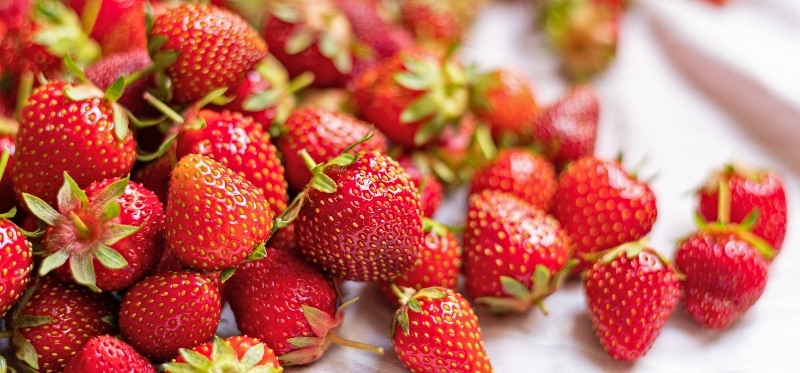
What's in season in Spring?
Spring fruit:
In New Zealand falls between September, October and November. Seasonal fruits in spring include:
Spring vegetables:
The cheapest vegetables in spring are beetroot, cauliflower, eggplants, leeks, parsnips, rhubarb, silverbeet.
Ready to cook with seasonal produce?
Here are some recipes to help you make the most of seasonal produce in spring:
Green Beans with Butter, Lemon and Garlic
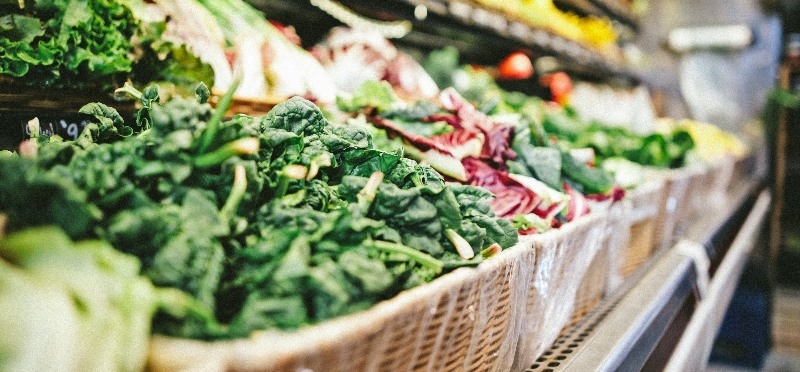
What's in season in summer?
Summer fruit:
Summer in New Zealand falls between December, January and February. The cheapest summer fruits are apples, lemons, oranges, pears, melons, stone fruits like peaches and nectarines, and summer berries.
Summer vegetables
We’re spoiled for choice when it comes to summer vegetables. The cheapest vegetables during summer are avocados, beetroot, broccoli, carrots, cucumber, kumara, lettuce, mushrooms, onions, parsnips, and radishes. December, January and February in New Zealand means that we’re going to see these summer vegetables:
Try your hand at these fun summer recipes:
No Fuss Peach and Apple Shortcake
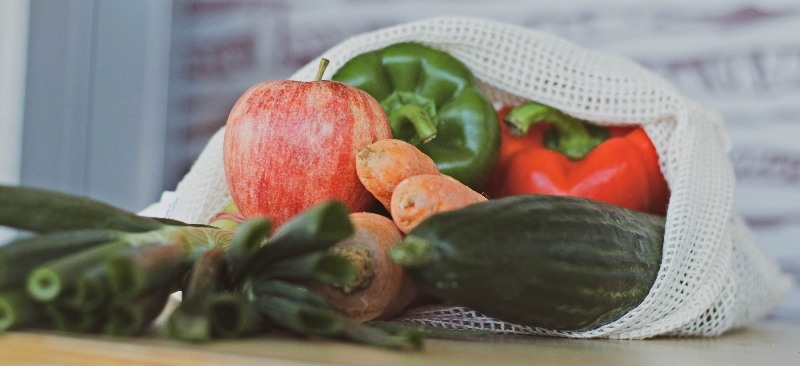
What's in season in autumn?
Autumn fruit
Autumn in New Zealand falls between March, April and May. Keep an eye out for these autumn fruits:
The cheapest autumn fruits are apples, kiwifruit, feijoas and pears.
Autumn vegetables
The cheapest vegetables during autumn are pumpkin, broccoli, cabbages and lettuce. Autumn in New Zealand means you’ll be seeing more of these autumn vegetables:
Autumn seasonal recipes:
Risotto with Chicken, Leek and Mushroom
Pear and Vanilla Crumble Muffins
Sweet Chilli & Lime Prawn Stir Fry
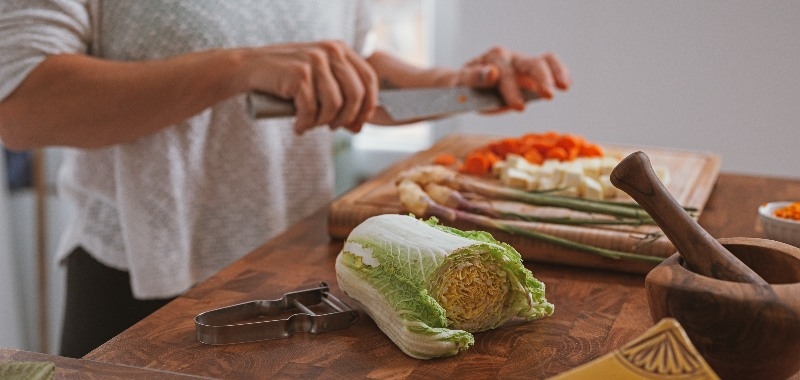
What's in season in winter?
Winter fruits
Citruses are not just for summer; the cheapest winter fruits are oranges, lemons and grapefruit. Winter in New Zealand falls between June, July and August. Around this time, these winter fruits are in season:
Mandarins deserve a special mention as a winter citrus. Afourer mandarins are one variety that thrives in late winter, bursting with sweet flavour when many other fruits are scarce.
Winter vegetables
The cheapest winter vegetables are carrots, cabbages, potatoes, onions, celery, broccoli and silverbeet. During the chilliest months of the year, these winter vegetables will be in season:
Winter recipes:
Beef Bourguignon with Tomato and Rosemary
What's in season all year 'round?
Some produce is available all year, but prices and availability may vary.
- Apples — at its best between February and May
- Rhubarb — available all year round but it’s at its best from May to October
- Beetroot — most plentiful from November to April
- Broccoli and broccolini
- Cabbage — green cabbage is most readily available throughout the entire year
- Carrot — best during winter
- Cauliflower
- Celery
- Courgette — the main growing season is from October until May
- Cucumber — summer is the best time for short and apple varieties, while telegraph cucumbers are readily available from May to June
- Fennel
- Garlic
- Kale — curly kale is available all year round
- Kumara
- Leek — can be hard to get from November to February
- Lettuce
- Mushrooms — oyster, wood ear and honey fungus have limited availability throughout the year
- Onion — main crop onions are the most commonly available types and in stores all year round; pickling onions are at their best for pickling around March; red onions are best rom January through to August
- Parsnip
- Potatoes — you can buy new season potatoes from late August until February (read the potato shopping guide)
- Pumpkin — depending on the variety you can get pumpkin all year round
- Radish
- Silver beet
- Swede — limited amounts over summer, specifically December and January
- Tomato — plentiful from October to May
- Watercress — plentiful from May to December